The Short Answer
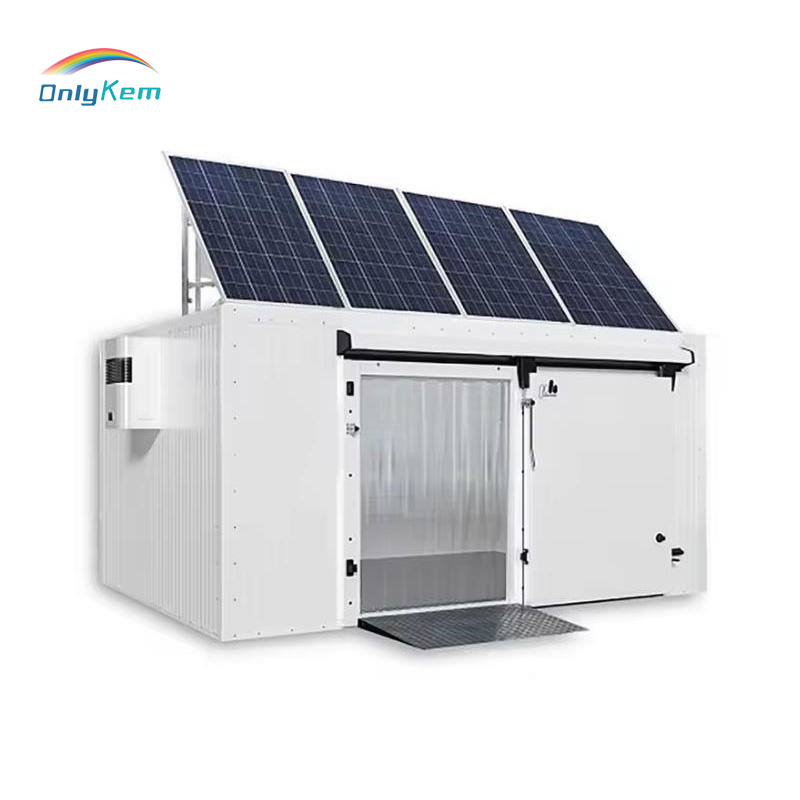
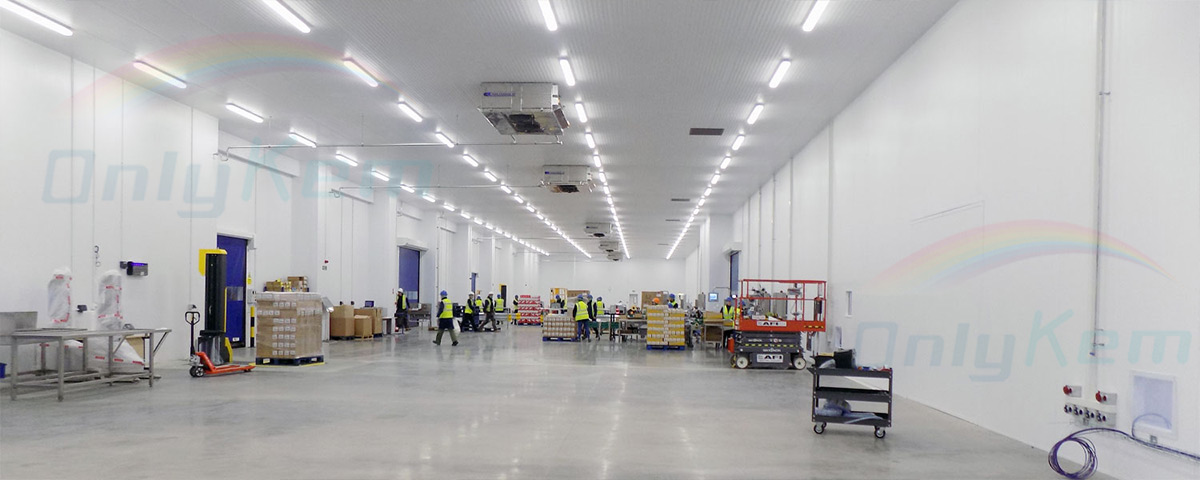
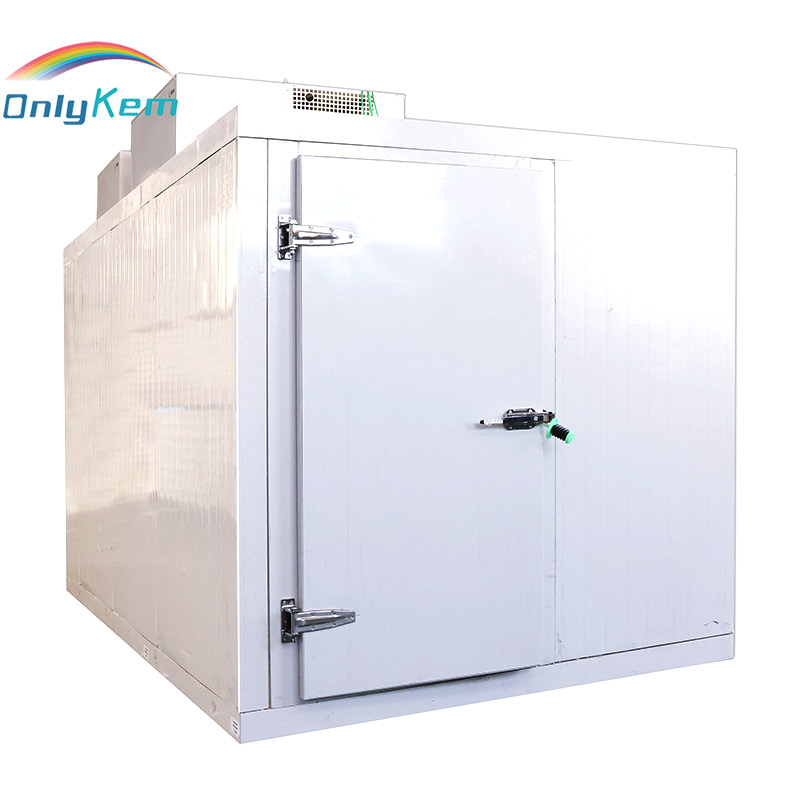
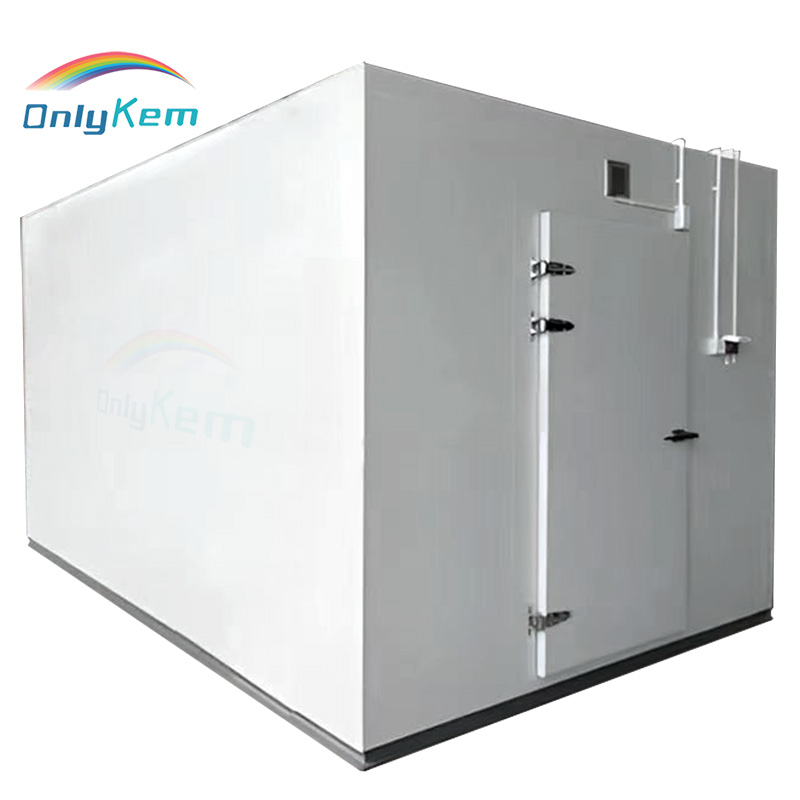
A walk in cold room is a large, insulated storage room that keeps food at a fixed low temperature. This project in Ghana shows what a walk in cold room can do for a food business: it cut fish spoilage from about 25% to under 5%, kept 12 tons of seafood fresh, and paid for itself in 14 months. If you sell fish, meat, fruit, or vegetables in Ghana, keep reading — this case study explains how a cold room works, what it costs to run, and what to check before you buy one.
Why Ghana Businesses Need a Walk in Cold Room
Ghana is hot all year. In Accra, Tema, and other coastal cities, daytime temperatures often stay between 26°C and 33°C, and the north gets even hotter. In this heat, fresh food spoils fast — fish, meat, fruit, and vegetables can go bad within hours if not kept cold.
According to the World Bank, FAO estimates from 2011 suggest that about 37% of food produced in Sub-Saharan Africa is lost between production and consumption. For root crops, fruits, and vegetables, FAO puts the loss even higher, at 40–50%. Much of this loss happens simply because there is not enough cold storage.
Ghana has a big fishing industry. Tema is one of West Africa’s busiest fishing ports, and thousands of small boats land their catch there every day. Yet cold storage is still limited — many traders sell their fish the same day, at whatever price they can get, because they have no way to keep it fresh. When the catch is big, prices crash; when it is small, there is nothing to sell.
A walk in cold room changes this picture. It lets a business buy fish when the price is low, store it safely, and sell it over days or weeks — while keeping the product fresh and safe, which builds customer trust. For these reasons, demand for cold rooms in Ghana is growing fast — in fish processing, supermarkets, farms, and restaurants.
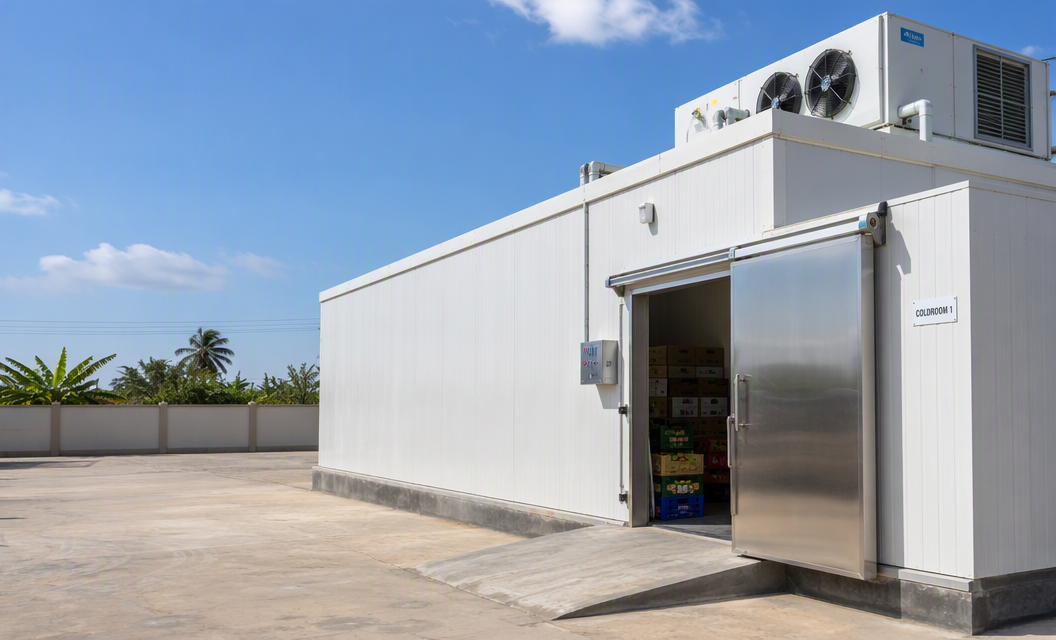
The Project: A Seafood Distributor in Tema
Our client was a seafood distributor in Tema, near the fishing harbor. The company bought fresh fish from local boats and supplied restaurants, hotels, and market traders across the Greater Accra region.
The Problem
Before this project, the company kept its fish in small chest freezers. These freezers had three big problems:
- Not enough space. The chest freezers could only hold about 2 tons of fish. When the boats landed a big catch, the company had to refuse fish because there was nowhere to store it.
- High spoilage. They were opened and closed many times a day, so temperatures went up and down and fish thawed and refroze. About one in every four bags was lost to spoilage.
- High electricity bills. Several small freezers used more power than one well-built cold room — and cooled the fish less efficiently.
The owner estimated that spoilage was eating about 25% of his stock — and with it, a big part of his profit.
The Goal
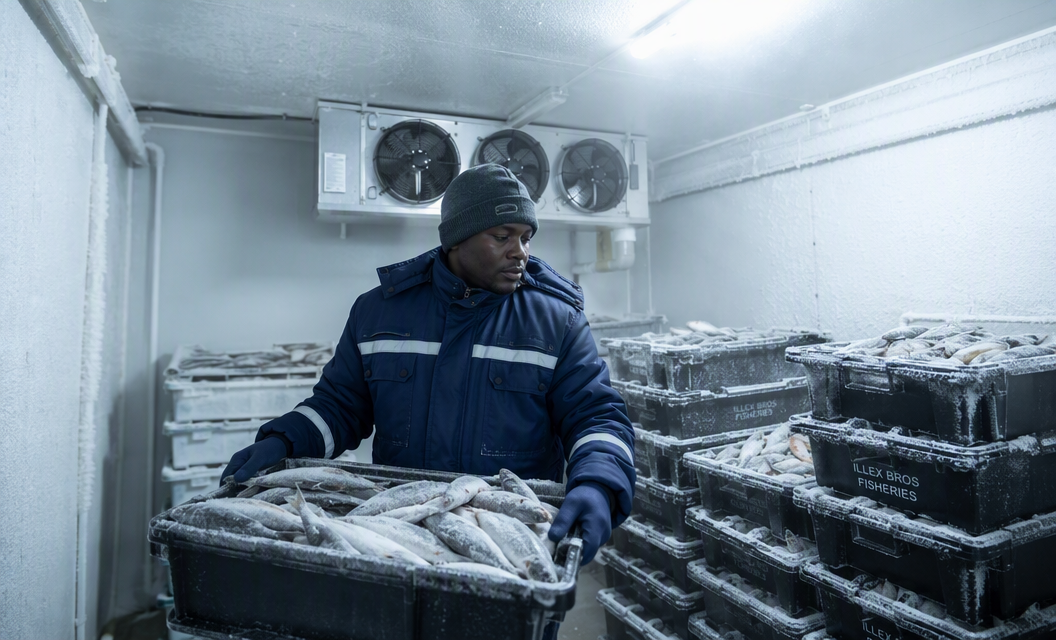
The owner wanted one clear result: a cold room that could keep 10–12 tons of fish frozen at -18°C, day and night, in the hot coastal climate of Tema. He also wanted low running costs, simple operation, and a system that could survive Ghana’s sometimes-unstable power supply.
The Walk in Cold Room We Built: Specifications
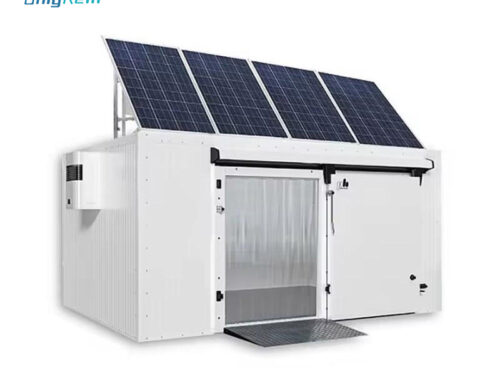
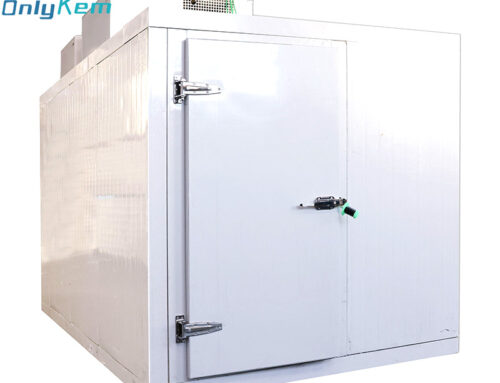
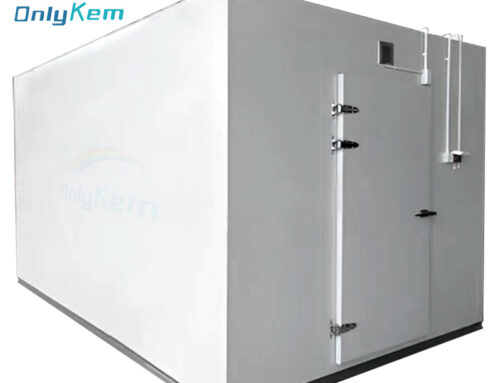
After a site visit and heat load calculation, we designed a walk in cold room that matched his needs exactly. Here are the main specifications:
| Item | Specification |
|---|---|
| Cold room size | 6.0 m (L) x 4.0 m (W) x 2.8 m (H) — about 24 m³ |
| Storage capacity | 10–12 tons of frozen fish |
| Room temperature | -18°C to -22°C (freezer) |
| Insulation | 100 mm polyurethane (PU) sandwich panels |
| Floor | Aluminum tread plate with reinforced floor panels |
| Door | Heavy-duty sliding door with magnetic seal |
| Compressor | 5 HP semi-hermetic unit, designed for tropical use |
| Refrigerant | R404A |
| Evaporator | Industrial evaporator with electric defrost |
| Control system | Digital temperature controller with alarm |
| Power supply | 380 V three-phase (230 V single-phase option available) |
| Backup plan | Prepared for connection to a generator during power cuts |
The design used 100 mm panels instead of thinner 75 mm ones. This small choice made a big difference: thicker insulation means the cold room stays cold longer, the compressor runs less, and the electricity bill is lower — especially important in Ghana’s heat. The semi-hermetic compressor was chosen over a cheaper domestic unit because it is built to run for many years in hot climates and is easier to service.
How We Installed the Cold Room: 6 Simple Steps
The whole installation took 6 working days. Here is the process, in simple steps:
Step 1 — Site inspection. We visited the client’s warehouse, checked the floor, walls, and power supply, and confirmed the best position for the cold room.
Step 2 — Floor preparation. We leveled the floor and laid the insulated floor panels with aluminum tread plate on top — strong enough for loaded trolleys.
Step 3 — Panel assembly. The wall and ceiling panels were joined together like a big puzzle. Every joint was sealed so that no warm air could leak in.
Step 4 — Door and refrigeration installation. We fitted the sliding door, mounted the evaporator inside, and installed the compressor and condenser outside, where heat escapes easily.
Step 5 — Electrical and controller. Our electricians connected the power and wired the digital controller, which keeps the temperature steady and sounds an alarm if anything goes wrong.
Step 6 — Commissioning and training. We ran the system, checked for leaks, and brought the room down to -18°C. Then we trained the staff on loading the room, setting the temperature, and doing simple daily checks.
The client’s team learned everything in one afternoon.
The Results: Less Waste, More Profit
The new walk in cold room changed the business within the first month. Here are the results after 6 months:
Before, the company lost about one bag of fish in every four. Now it loses almost nothing. With six times more storage, the owner buys the whole catch when prices are low and sells it steadily over the following weeks — better prices for the boats, stable supply for customers, and higher profit for his business.
The cold room also made the business more reliable. Customers now know they can always get fresh, properly frozen fish — not “whatever is left today.” That trust is worth more than any single sale.
Chiller Room or Freezer Room? Choose the Right Cold Room
Before you buy, it is important to know which type of cold room you need. Many people ask us this question, so here is a simple guide:
A chiller room keeps fresh food cold but does not freeze it. A freezer room freezes food solid and keeps it safe for months. For fish in Ghana, we recommend a freezer room at -18°C or colder; for a farm, shop, or restaurant, a chiller may be enough. Not sure? Tell us what you store and for how long — we will help you choose.
What to Check Before You Buy a Walk in Cold Room in Ghana
A cold room is a long-term investment. Avoid expensive mistakes with this simple checklist:
- Panel thickness. Use at least 100 mm panels for freezer rooms — thinner panels cost less to buy but more to run every day.
- Compressor quality. Choose a well-known compressor brand with a service network — a cheap one can fail within a year in hot weather.
- Power supply. Check your voltage — most cold rooms in Ghana run on 380 V three-phase or 230 V single-phase, so make sure your site has the right supply.
- Power cuts. Ghana’s power can be unstable. Plan for a generator or battery backup for the controller.
- After-sales service. Ask who repairs the unit, how fast they respond, and whether spare parts are available in Ghana — good after-sales service protects your investment.
- Heat load calculation. Never let anyone size your cold room by guesswork — a proper heat load calculation matches the compressor and panels to your real needs.
- Warranty and training. Confirm the warranty period and make sure your staff are trained to operate and clean the unit.

FAQ
1. What is a walk in cold room? A walk in cold room is a large insulated room, big enough to walk into, that keeps products at a fixed low temperature. It is used to store fish, meat, vegetables, fruit, and other goods that spoil in heat.
2. How much does a walk in cold room cost in Ghana? The price depends on size, temperature, insulation, and refrigeration brand — a small chiller costs less than a large freezer. Contact us with your size and product type for an exact quote.
3. What temperature do I need for fish? For long-term storage, keep fish at -18°C or colder. If you only keep fish for a day or two, a chiller at 0–5°C is enough, but a freezer gives you much more flexibility.
4. Can a cold room work during power cuts in Ghana? A cold room with 100 mm panels stays cold for several hours after a power cut, because the insulation holds the cold inside. For longer outages, connect a generator — our system was designed so one can be added easily.
5. How long does installation take? A typical walk in cold room is installed in 5–7 working days. In this project, it took 6 days including staff training.
6. What maintenance does a cold room need? Simple daily checks: keep the door closed, check the temperature display, and clean the evaporator fins. A professional service every 3–6 months keeps the system efficient for 10 years or more.
Conclusion
This project in Tema shows why a walk in cold room is one of the best investments a food business in Ghana can make. It turned a business that lost 25% of its fish into one that loses almost nothing — storage grew from 2 tons to 12 tons, and it paid for itself in 14 months.
Whether you run a fish business, a supermarket, a farm, or a restaurant, the right cold room protects your stock, stabilizes your supply, and grows your profit. With the right design — thick panels, a reliable compressor, and proper installation — it will serve you for many years.
Ready to talk about your own cold room project? Contact [Your Company] for a free consultation and a tailored quote. Tell us what you store, how much, and where you are located — we will design the right walk in cold room for you.