
1. Proper In-storage Preparation: Cooling and Cleaning
Proper preparation is critical to ensure fish quality before storage.
(1)Cool the Fish Before Storage
-
- Fish freshly caught has a relatively high internal temperature and must be cooled before being placed in the cold storage. The goal is to lower the fish body temperature close to the freezing point (0-1°C).
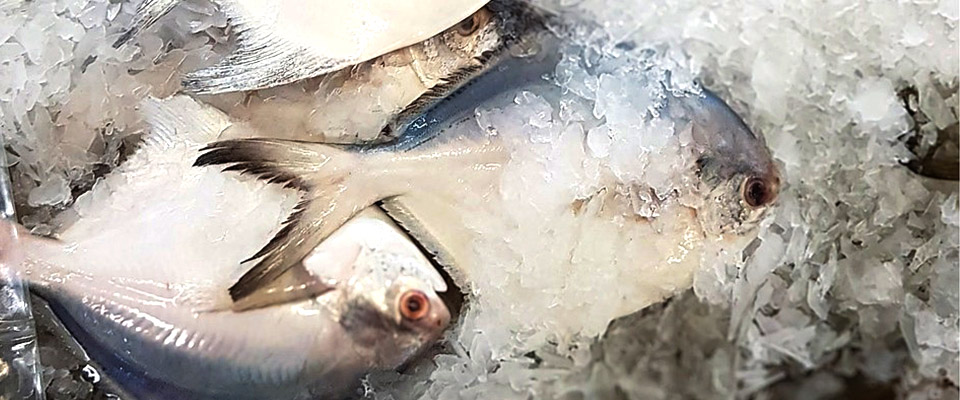
- Method 1: Ice Cooling: Spread a layer of crushed ice at the bottom of a container, place a layer of fish, and then alternate with layers of ice and fish. Maintain a fish-to-ice weight ratio of approximately 1:1 to ensure the fish is fully covered.
- Method 2: Cold Water/Iced Brine Cooling: Submerge the fish in clean, chilled saltwater. This method helps prevent the fish from being crushed under the weight of ice. It typically takes 5-6 hours to reduce the internal water/fish body temperature to 0-1°C.
- Fish intended for short-term storage (7-10 days) can be kept in a refrigerated room at 0-4°C. For long-term preservation, fish must be completely frozen (with over 85% of its water frozen and the core temperature below -15°C) before being transferred to a freezer at -18 to -23°C.
(2)Proper Packaging and Organization
-
- Store different types of fish (e.g., mild whitefish and stronger-smelling fish like mackerel) separately with adequate spacing (at least 30cm) to prevent odor transfer.
- Package fish in sealed, food-grade vacuum bags or plastic film. The vacuum process should remove as much air as possible from the packaging to prevent oxidation and discoloration.
- All shelves and pallets should be kept off the ground (e.g., 10cm) and away from walls (e.g., 20cm) to ensure proper cold air circulation and prevent “hot spots.”
2. Daily Management of the Cold Storage Environment
(1)Maintain Stable Temperature
-
- The freezer temperature should be stable within the range of -18°C to -23°C, with fluctuations ideally kept under ±0.5°C. Frequent or large temperature swings can cause ice crystals to melt and re-form, damaging cell structure, resulting in drip loss and tough texture upon thawing.
- Record temperatures at least three times a day (morning, afternoon, evening). Regularly check and clean condenser units to ensure efficient heat exchange, especially in summer when dust buildup is common.
(2)Control Humidity and Ensure Ventilation
-
- The relative humidity should be maintained at 85-95% to prevent excessive dehydration and surface cracking of the fish.
- Conduct regular, brief ventilation to remove odors and gases like carbon dioxide, but limit each session to prevent significant temperature rise, and quickly restore the set temperature afterward.
3. Common Problems and Preventive Measures
Address these common issues to avoid quality loss and waste:
(1)Problem: Quality Degradation from Temperature Fluctuation
-
- Cause: Frequent door openings are the primary cause. Each opening can raise the internal temperature by 2-3°C. Repeated micro-thawing and re-freezing damages the fish’s cellular structure.
- Loss: Can reduce quality by 20-30%.
- Solution: Minimize door openings, schedule loading/unloading during designated short windows, and install an air curtain. Regularly check and replace worn-out door seals.
(2)Problem: Odor and Cross-Contamination
-
- Cause: Improper pre-cooling causes fish to continue metabolizing, releasing strong-smelling gases. Storing fish with other odorous or easily-flavored foods (e.g., vegetables, dairy) leads to flavor transfer.
- Solution: Enforce strict pre-cooling procedures. Designate separate storage zones. Implement weekly cleaning and monthly deep cleaning/disinfection routines to eliminate odor sources.
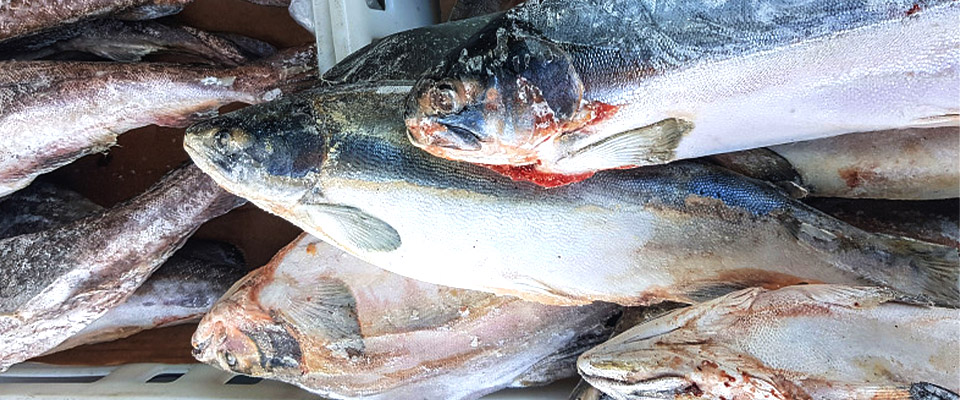
(3)Problem: Weight Loss (“Dry Shrinkage”) and Fat Oxidation
-
- Cause: Inadequate humidity, poor packaging, or excessive ventilation cause sublimation (moisture loss), leading to weight reduction (1-2% monthly possible).
- Cause: Unsaturated fats in fish can slowly oxidize even at low temperatures, resulting in rancid “off” flavors, especially in fatty fish.
- Solution: Use enhanced double-layer or vacuum packaging with oxygen absorbers for long-term storage. Monitor humidity with sensors and add moisture if needed. Conduct bi-weekly quality checks on stored items.
4、Emergency Response Plans
Be prepared for unexpected events to minimize loss.
(1)Power Outage Emergency:
-
- Immediately close all cold storage doors to conserve cooling. For small facilities, use pre-frozen ice packs. Large cold stores should have a backup generator to power refrigeration units.
- For outages exceeding 4 hours, inspect goods near doors and vents, and consider transferring them to unaffected areas.
(2)Handling Spoilage:
-
- Isolate and remove any rotten or foul-smelling fish immediately to prevent cross-contamination.
- Thoroughly clean and disinfect the affected area. Replace any contaminated shelving mats or packaging.
- For fish experiencing minor quality decline (e.g., from brief temperature swings), consider salvage processing into products like fish paste or dried fish to reduce economic loss.
Summary: Successful cold storage of fish hinges on thorough pre-cooling, proper packaging and separation, maintaining stable low temperature and high humidity, regular cleaning, and minimizing door openings. Following these guidelines helps extend shelf life, preserve quality, and ensure food safety.
At Last:
If you want to know more about cold storage, please contact us
Tel:86-531-83175885
Cell(WhatsApp):8613864087992
Email:sale@onlyref.com