
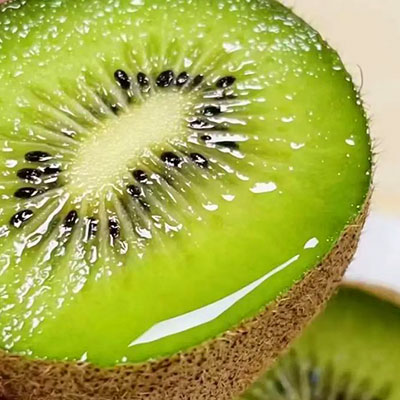
It’s kiwi harvest season again, and if you want to extend the sales period and stagger the market, a professional cold room is an essential “freshness artifact”. But cold storage is not just about stuffing fruits into the cold room, every step from hardware selection to daily management has its own considerations.
Today, I will organize the entire process of building a kiwi cold room to help you avoid detours!
1、 How to configure the hardware? Refer to this set of ‘standard answers’
If you are planning to build a small to medium-sized cold storage, you can refer to the following configuration plan for our actual project in Argentina in 2025.
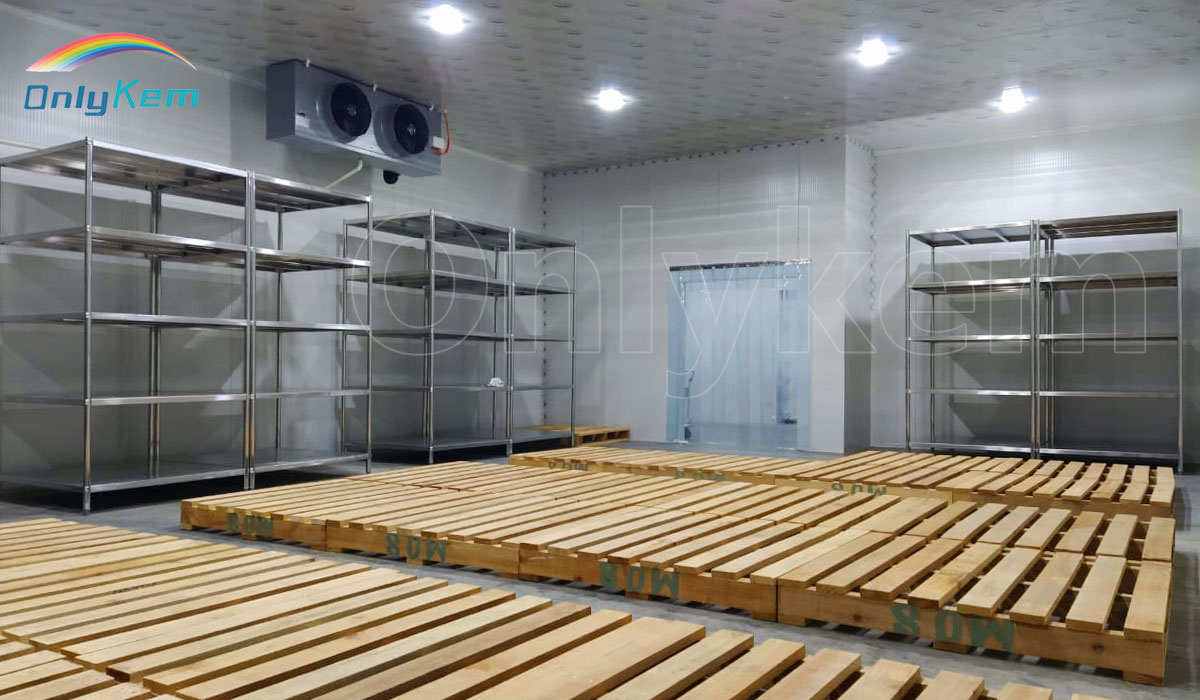
Warehouse specifications: 12m(long)x7m(wide)x7m(high), capable of storing approximately 85 tons of kiwifruit
Insulation board: double-sided color steel polyurethane board, with good insulation effect and durability
Refrigeration system: ordinary refrigeration with a 15 horsepower unit, temperature controlled at around 0 ℃; If long-term storage is required, a 30 horsepower unit can be equipped to reach -10 ℃
Auxiliary equipment:Air curtain machine (reduces air leakage)
Humidifier (maintaining 90% -95% humidity)
Ozone sterilization system (preventing mold)
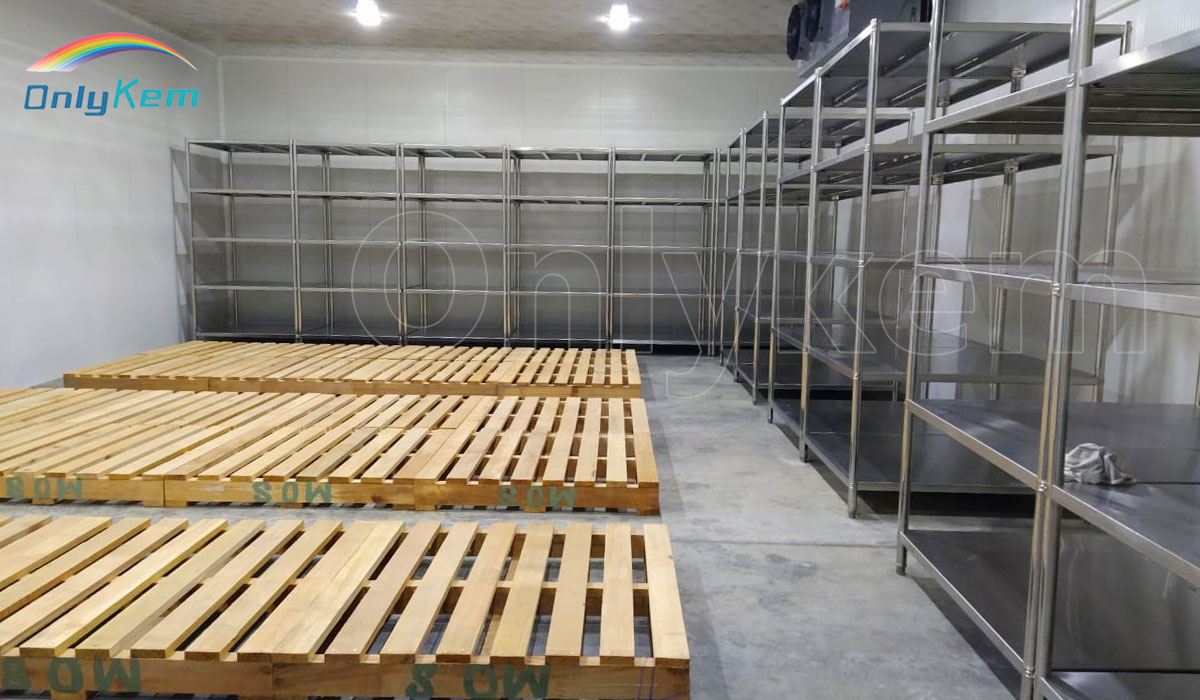
Facilities in the warehouse: Wooden pallets or plastic fruit frames + 2-ton electric forklifts for easy loading and unloading
💡 Tip: Before purchasing equipment, it is recommended to compare prices with 2-3 professional engineering companies for a more reliable solution.
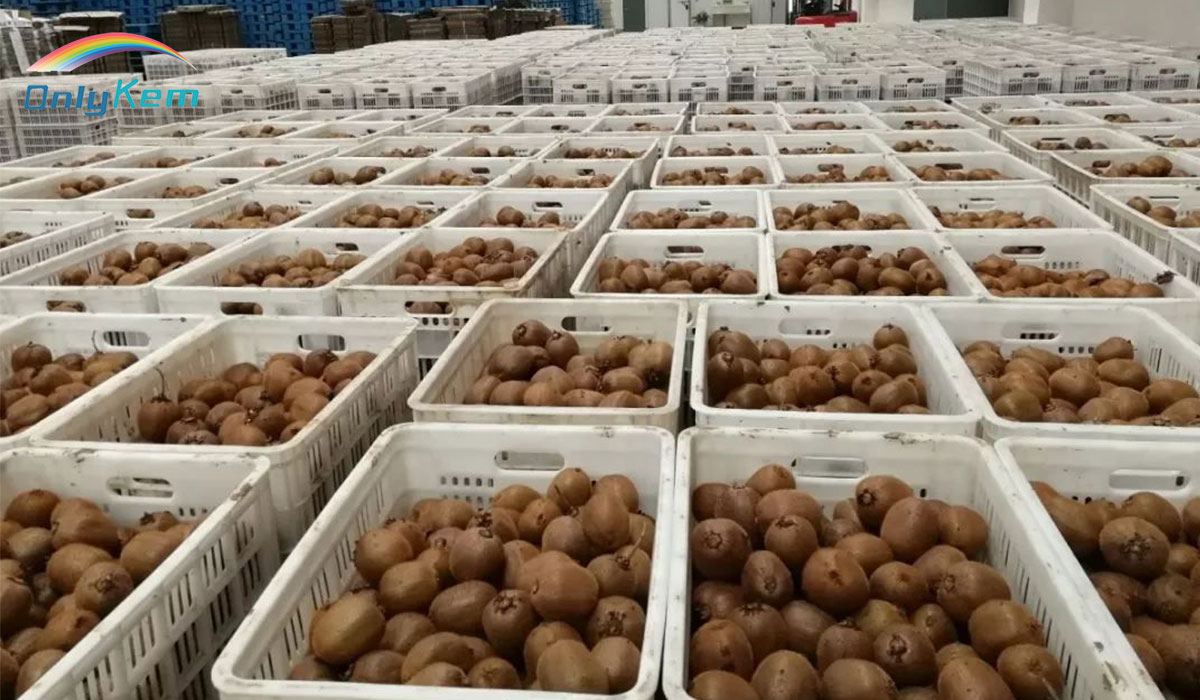
2、 Compulsory courses before storage: cleaning, debugging, and harvesting
After the hardware is in place, don’t rush to prepare the fruits. These few steps of preparation directly affect the success or failure of storage.
1. Cleaning and disinfection (20-30 days before storage)
Thoroughly clean the warehouse, spray with chlorine dioxide solution or fumigate with sulfur (5-15 grams per cubic meter), seal for 48 hours, and ventilate until there is no odor.
2. Equipment debugging and pre cooling (2-5 days before storage)
Inspect the unit and reduce the temperature of the cold storage to 0-3 ℃ in advance to ensure that the cold storage is fully stored.
3. Harvesting timing (key among the key)
Check sugar content: Use professional instruments to measure soluble solids, and harvest only when it reaches 6.5% -8.5%.
Choose weather: Harvest on sunny or cloudy days, avoid rainy days, rainy days, and mornings with dew.
3、 Storage period management: These details determine the quality of preservation
The management after storage is a ‘protracted battle’, focusing on five key aspects.
1. Pre cooling: Store within 24 hours after harvesting, pre cool at 3 ℃ for 24-36 hours, and then gradually cool down to avoid excessive temperature differences
2. Stacking: Elevate pallets, leave gaps between boxes, leave passages between stacks, do not block air vents, 5-10cm above ground, 10-15cm above walls
3. Temperature and humidity: Delicious kiwifruit at 0-1 ℃, Chinese kiwifruit at 1-2 ℃, humidified promptly when the humidity is below 90%, humidity at 90% -95%
4. Gas: Regular ventilation, with carbon dioxide concentration below 2%, O ₂ 2% -5%, and CO ₂<3% in ordinary warehouses
5. Inspection: Weekly sampling of fruit hardness, timely handling of rotten fruits found, ozone sterilization 1-2 times a day, ozone concentration 1-5 mg/m ³
4、 Advanced options: Modified Atmosphere Storage and Instant Kiwi Fruit
If you want to store for 4-6 months or more, or create higher quality products, you can pay attention to these two directions:
Modified Atmosphere Storage: Accurately controlling the concentrations of oxygen (2% -5%) and carbon dioxide (3% -5%), inhibiting fruit respiration, and achieving a much better preservation effect than ordinary refrigeration.
Ready to eat kiwifruit: Equipped with a “oxygenation and temperature control” pre ripening system in the cold storage, the temperature and ethylene concentration are intelligently regulated. When the fruit is released, it reaches the optimal edible state, and consumers can eat it at home, which is also the trend of future development.
5、 Two ‘must not’ reminders
⚠️ Absolutely not mixed storage
Kiwi fruit is extremely sensitive to ethylene. Do not put it together with apples, pears, bananas, etc., otherwise it will accelerate ripening and decay.
⚠️ Return temperature required for outbound shipment
Before the fruit is released from storage, it should be placed in the cold storage aisle or 15-20 ℃ environment for 12-24 hours to allow the fruit temperature to slowly rise and avoid surface condensation, which may affect the shelf life.
In conclusion
Building a kiwi cold storage requires a considerable investment, but as long as the planning is reasonable and the management is in place, it can result in longer sales cycles and higher fruit premiums. I hope this tweet can help you clarify your thoughts. If you need a specific equipment list or budget reference, please feel free to leave a message for discussion!