Abstract
As cross-border fresh food trade and global pharmaceutical cold chain keep growing fast, cold storage demands in different countries and regions now show new features: different needs from users, small but separate orders, and the requirement to set up in a very short time. Traditional built-on-site cold rooms have many problems: they take months to build, are hard to ship across countries, and cost a lot to fit local needs. These problems now become big blocks that stop small and medium cold chain businesses from growing. This paper takes the modular walk-in Cold Room with combined unit as the target, and talks about its strengths in easy cross-border delivery, stable work in extreme weather, and flexible customization, based on real market situations in Southeast Asia, Africa, Latin America and other fast-growing markets. The research shows this product uses full pre-made modular design, over 90% of the parts are ready before shipping. It can be directly put into a 40-foot standard container for transport. The on-site setup time is 70% shorter than traditional cold rooms. The multi-motor combined refrigeration unit can run stably even when the outside temperature hits 45℃, and its total energy saving rate is much higher than similar products from other countries. This paper also gives practical plans for promotion and local after-sales service in different global markets, to help Chinese refrigeration products go global and support the upgrade of cold chain infrastructure all over the world.
1. Common Pain Points in Global Fast-Growing Cold Chain Markets and Business Chances
In recent years, the global cold chain market is growing very fast. According to the 2026 report from the International Institute of Refrigeration, in Southeast Asia, Africa, Latin America and other fast-growing markets, less than 30% of the commercial cold chain needs are met. The missing part of cold storage space is over 60 million cubic meters. At the same time, these areas face real problems: weak public infrastructure, unstable power supply, and very few local workers who know how to build cold rooms. The traditional way of building cold rooms on site can hardly fit these local situations. In Southeast Asia, the weather is hot and wet all year round. Cross-border seafood trade is growing very fast, and local seafood processing factories and chain supermarkets badly need cold storage space. But a traditional built-on-site cold room takes at least half a year to finish. Many businesses miss their best selling season because their cold room is not ready when the big orders come.
In most African countries, unstable power supply is a long-existing problem. Frequent power cuts will easily stop normal cold rooms from working, and then fresh food and vaccine medicines stored inside will go bad in a few hours. Also, there are very few professional cold room setup teams in local areas. After businesses import traditional cold room parts, they can not find skilled workers to finish the complex welding and insulation work. The project will be put off for months. In Latin America, most cold chain businesses are in the fast growing stage. Their storage needs change a lot with the agricultural export orders. Traditional built-on-site cold rooms need a huge one-time payment. Once the export orders go down, a lot of cold room space will be left unused, and bring heavy cost pressure to the businesses. These common problems in global markets create huge chances for Chinese modular walk-in Cold Rooms to enter the global market. With the strong supply chain of refrigeration equipment in China, we can make high-reliability modular cold rooms that fit different local working conditions, and fill the gap of mid-to-high level cold storage supply in fast-growing markets.
2. Core Product Design for Foreign Trade and Global Market Entry Rules
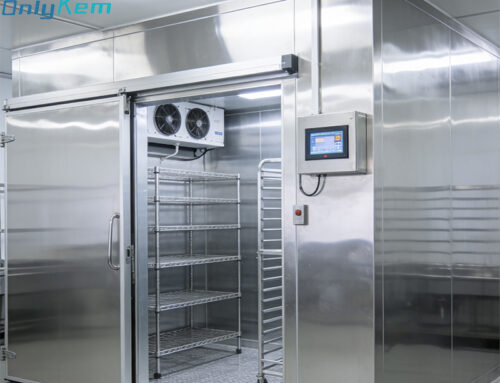
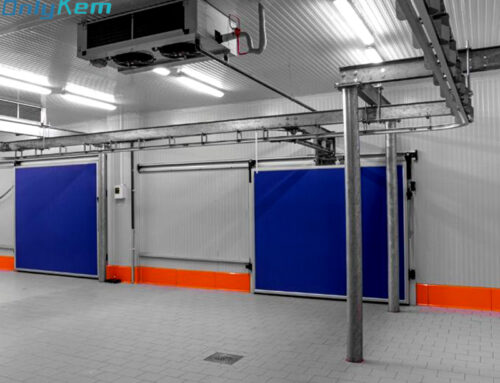
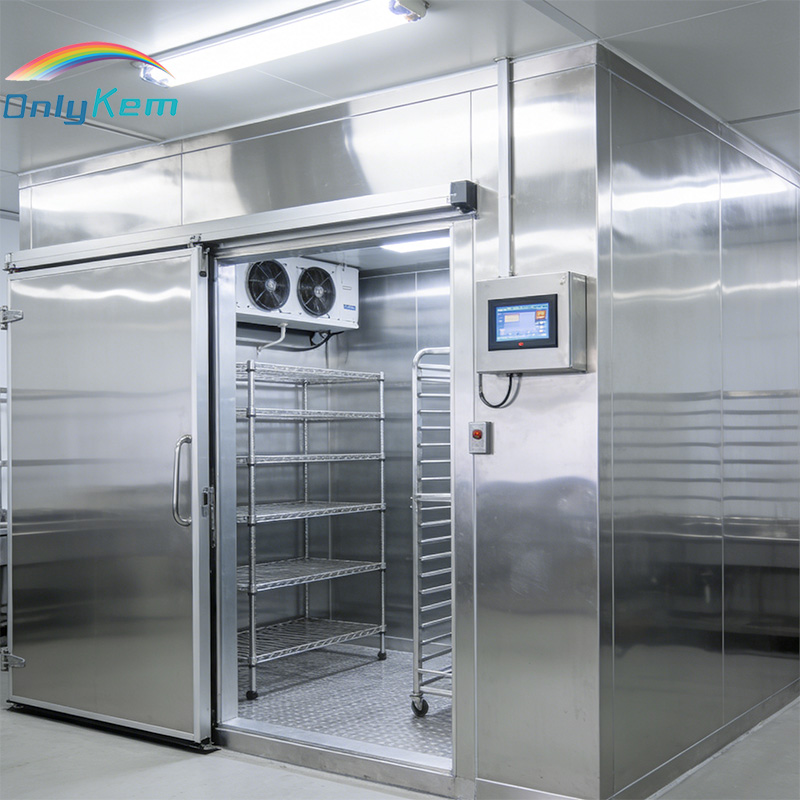
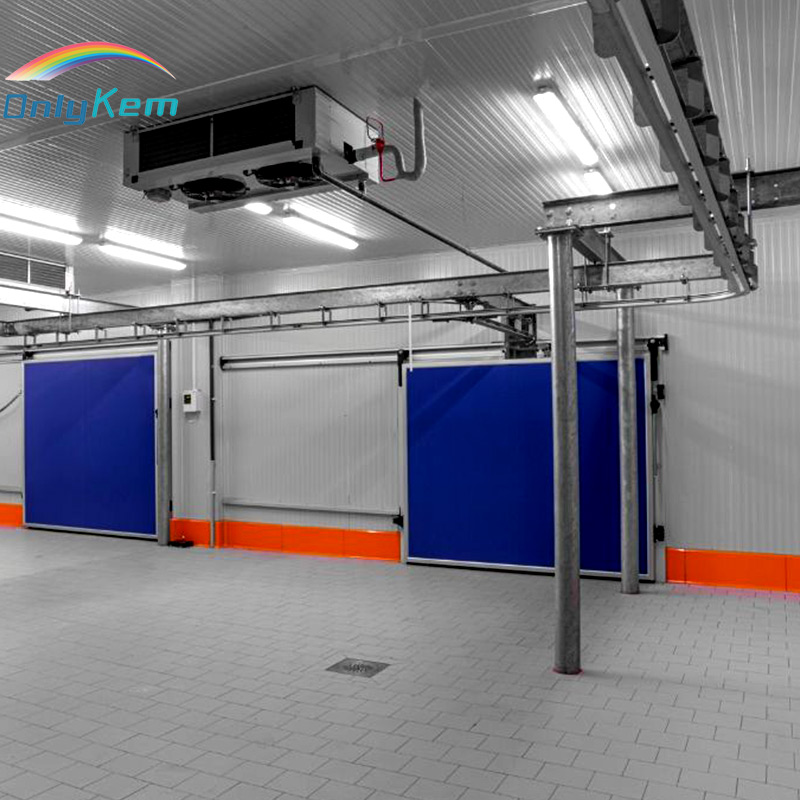
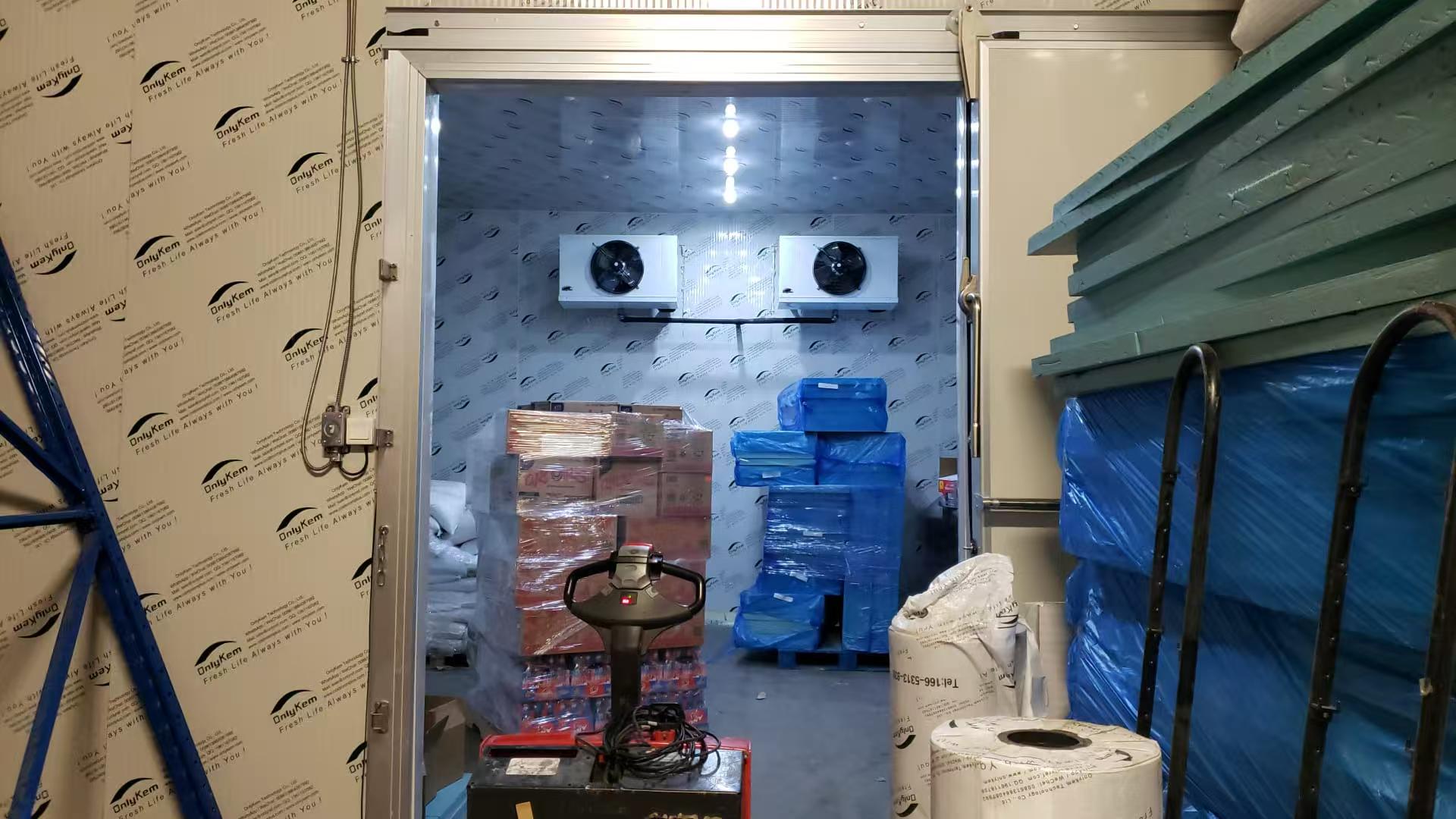
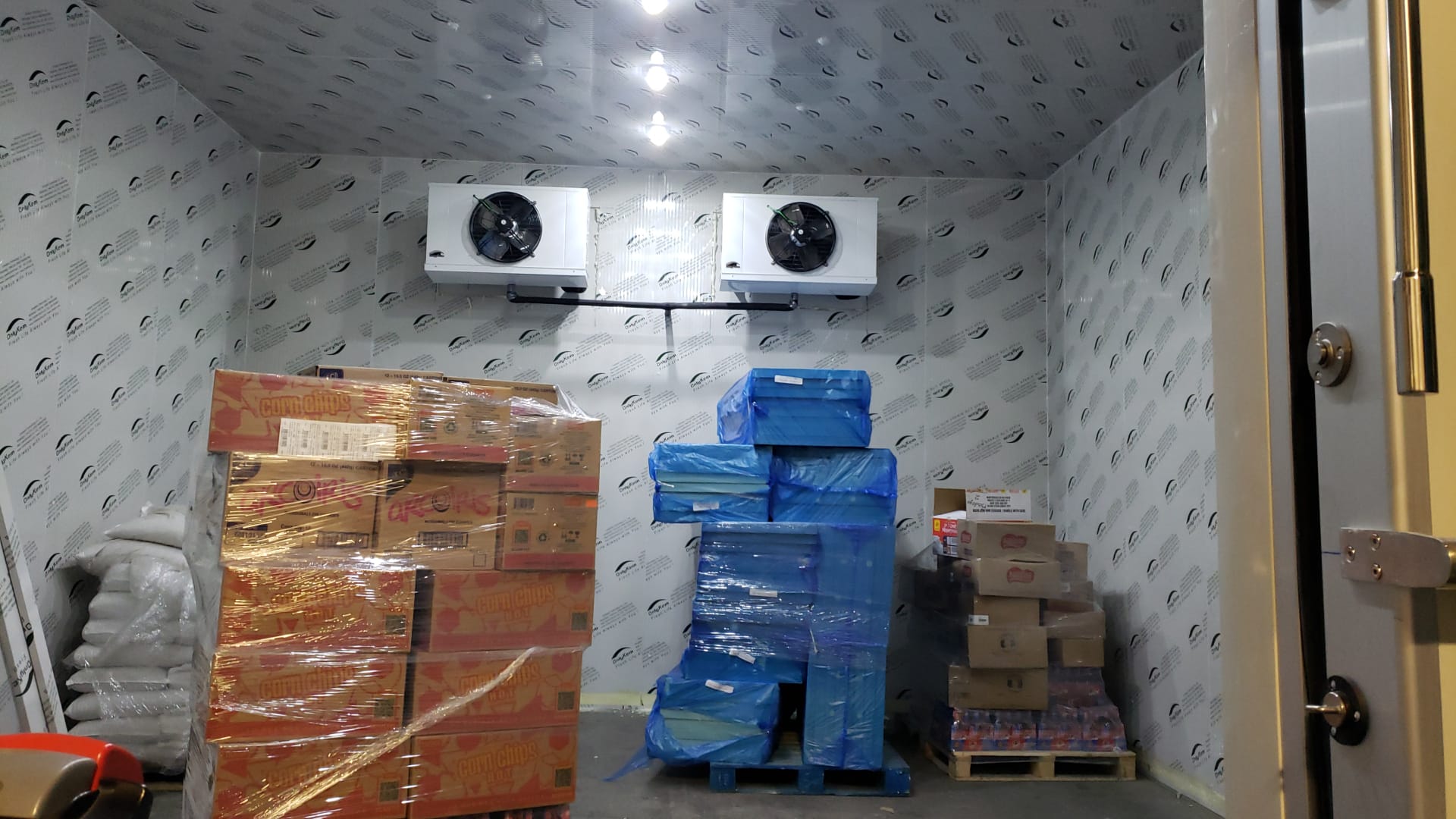
To meet the special needs of cross-border export, the modular walk-in Cold Room with combined refrigeration unit is designed to fit overseas markets from the very first step. Its structure, shipping package and international certifications all follow the mainstream global market rules. The cold room panels are all pre-made in our factory with standard sizes. Each panel uses high-density polyurethane foam, and the two sides are food-grade 304 stainless steel. Its heat insulation performance is much better than similar foreign products. All modules are made to fit 20-foot or 40-foot standard containers directly. There is no need to take them apart for shipping. This will cut the cross-border transport cost a lot, and avoid part loss or damage during long distance shipping. Some small walk-in Cold Rooms can even be fully set up in the container before delivery. Users just need to open the package and connect to power, then the cold room is ready for use.
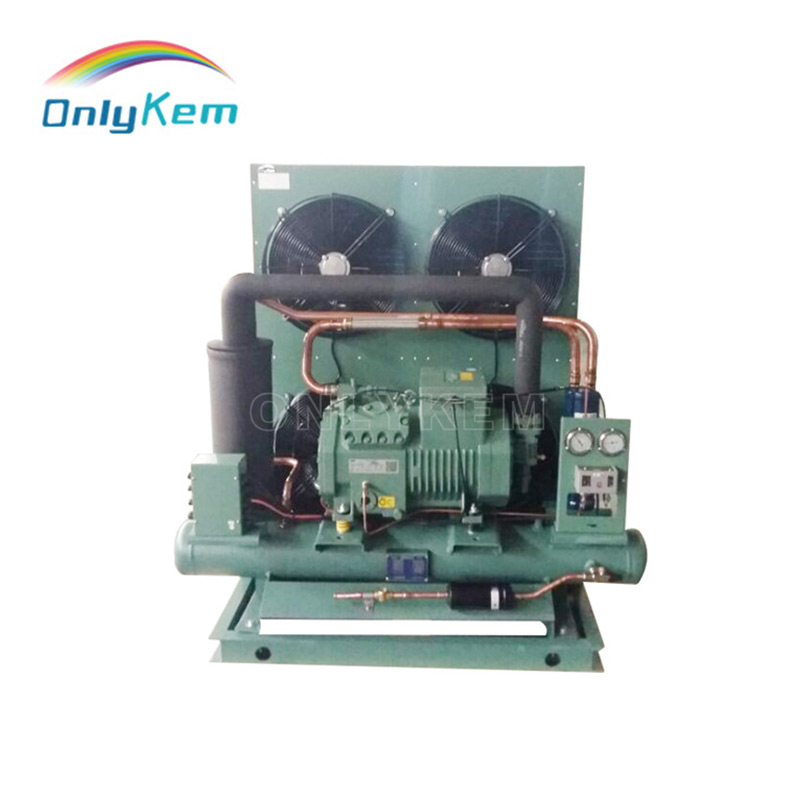
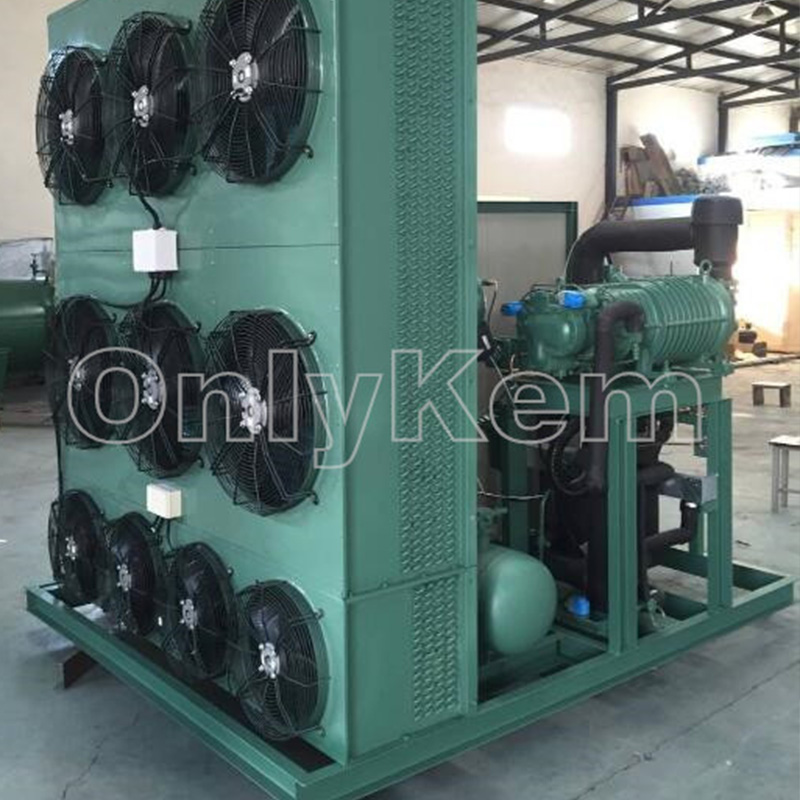
As the core part of the product, the combined refrigeration unit is specially optimized for extreme working conditions in fast-growing global markets. It uses several frequency-change compressors working together as a team. It has a wide voltage support system, and can run stably when the voltage changes between 180V and 240V. This perfectly fits the power supply situation in Africa, Latin America and other areas. The unit also has a big interface for backup energy storage. Users can connect solar panels and battery packs to it. Even when there is no power at all, the cold room can still keep the temperature between 0℃ and 10℃ for over 72 hours. This completely stops goods loss caused by sudden power cuts. For high temperature situations, the combined unit uses a larger air-cooled condenser and smart heat control system. It can run at full load even when the outside temperature hits 50℃, and will not stop working like normal units in very hot weather. This is perfect for tropical areas like Southeast Asia and Middle East.
For global market entry rules, all our product series have passed CE, UL, ISO and other main international official certifications. They fully meet the market entry standards in most countries and areas like European Union, North America and Southeast Asia. All technical papers, operation guides and maintenance manuals have multi-language versions, including English, Spanish, Arabic and more. The smart temperature control system also supports multi-language display. Overseas users can learn to use it quickly without language trouble. For special cold chain needs of medicine storage, we can also make custom versions that meet WHO PQS certification rules. These versions can meet the strict standards of vaccine and biological reagent storage, and can take part in United Nations purchase projects directly.
3. Real Performance Test of Combined Unit in Different Global Working Conditions
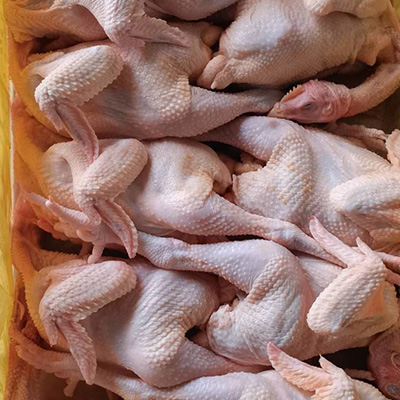
To check the real running performance of the product in different overseas situations, we did 6-month long field tests in three typical markets: Bangkok in Thailand, Nairobi in Kenya, Sao Paulo in Brazil. We recorded core data like power use, temperature stability, and ability to work under unexpected trouble. In the hot and wet test in Bangkok, Thailand, the outside temperature stayed between 35℃ and 42℃ for most time, and air humidity was over 80%. We set a 20-cubic-meter modular walk-in Cold Room to -25℃ for frozen seafood storage. The 6-month continuous test data shows the temperature inside the cold room always changes within ±1℃. Even when workers open the door very often to load and unload seafood, the temperature can go back to the set value in 10 minutes. Its daily power use is only 72% of a traditional cold room with the same size. Local seafood processing factories told us the cooling speed and stability of our product is much better than local cold room brands they used before.
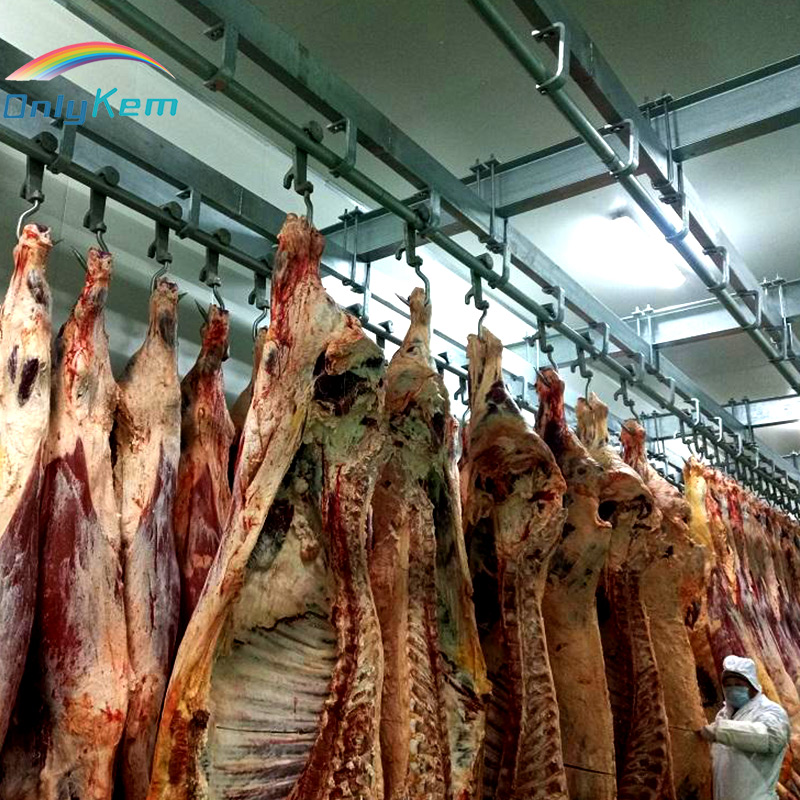
In the no-power situation test in Nairobi, Kenya, we copied the real local situation: power cuts 3 to 5 times a day, each time lasts 2 to 4 hours. With the multi-motor backup design and connected energy storage system, the modular cold room never had a big temperature rise. Even when there is no power for 48 hours, the inside temperature can still stay below 8℃, fully meeting the storage rules for vaccines and medicines. Traditional local cold rooms will have temperature over the safe limit in 2 hours after power cuts, so our product’s advantage in bad working conditions is very clear. In the busy agricultural export season test in Sao Paulo, Brazil, the user needed 3 new cold rooms in one month to store frozen meat for export. A traditional built-on-site cold room takes at least 3 months to finish. But our modular walk-in Cold Rooms only took 12 days from container arrival to full setup and test. This helped the user catch the export ship on time, and avoid heavy fine for breaking the order.
Lots of real overseas test results prove that the modular walk-in Cold Room with combined unit perfectly solves the core problems in different markets. Its strengths: fast setup, high reliability, low power use, can fit almost all fast-growing markets around the world. It also has very good cost performance when compared with similar products imported from Europe and America.
4. Local After-Sales System for Foreign Trade Promotion and Global Real Cases
Promoting modular walk-in Cold Room in foreign markets is not just about selling products overseas. We also need to build a complete local service system, to solve overseas users’ trouble in setup, maintenance and spare part replacement. We have built local storage and service centers in core markets like Thailand and Indonesia in Southeast Asia, Kenya and Nigeria in Africa, Brazil and Mexico in Latin America. We store common unit spare parts and cold room panel parts there in advance. When users have equipment trouble, local service teams can reach the site and finish repair within 24 hours. This completely changes the old problem that Chinese refrigeration products can not get fast after-sales service overseas. We also offer free technical training for local business partners, to help local engineering teams learn how to set up, test and do basic maintenance for the product. This makes our service truly take root in local markets.
For market promotion, we make different solution plans for different core needs in different areas: For the seafood market in Southeast Asia, we mainly promote large-size -25℃ modular walk-in Cold Rooms, to help local seafood factories build cold storage space for cross-border export in a very short time. For public health areas in Africa, we launch special vaccine storage modular cold rooms that work well with solar power, to help build local public health cold chain network. For agricultural export businesses in Latin America, we offer modular cold room rental service that can be moved and expanded quickly, to meet the seasonal storage needs of agricultural products. Now our products have been used in over 70 countries and regions around the world. We provide special cold storage equipment for many top ice cream and frozen food businesses in Southeast Asia, and have entered the supply chain system of several global FMCG giants. Our products have also passed strict standard tests from high-end supermarkets in European markets, and get high praise from local users for its accurate temperature control and smart internet function.
5. Global Market Future and Long-Term Overseas Development Plan
With the global cold chain infrastructure upgrade wave coming, modular walk-in Cold Room, with its unique strong points, will keep a 28% yearly growth rate in global market size in the next 5 years, and become the main product form in the low temperature storage field. In the future, we will keep improving local layout. We will build assembly factories in core markets, to make and assemble some parts locally. This will further cut product cost, shorten delivery time, and make full use of policy benefits like RCEP and Latin America regional trade agreements. We will also keep updating product technology, and add AI smart power management system into the product. Users can check the cold room working status through mobile phone app from far away, and the system will automatically optimize the unit running plan to further cut long-term operation cost.
From product export to service export, and then to technology standard export, Chinese modular walk-in Cold Room with combined unit is now becoming the core choice for global cold chain infrastructure upgrade. In the future, we will connect different users all over the world with temperature control technology, and provide high-reliability, good-price low temperature storage solutions for users in different regions. This will help the fast development of global fresh food trade and medicine distribution, and build a new world-class brand image for Chinese smart manufacturing in the global refrigeration market.