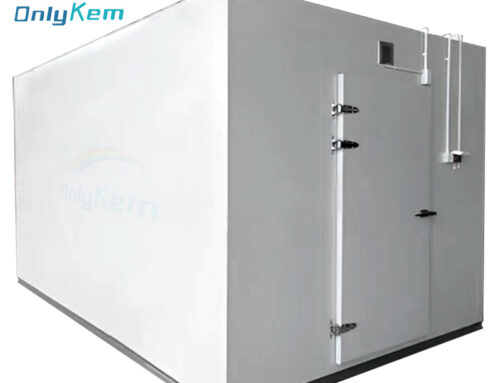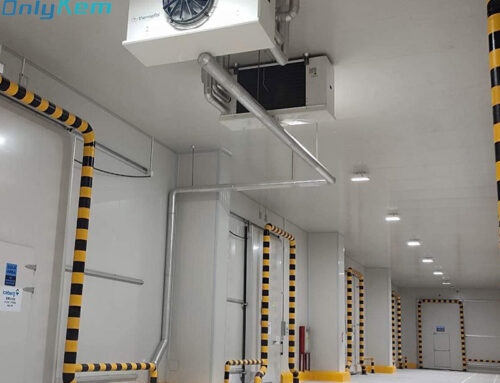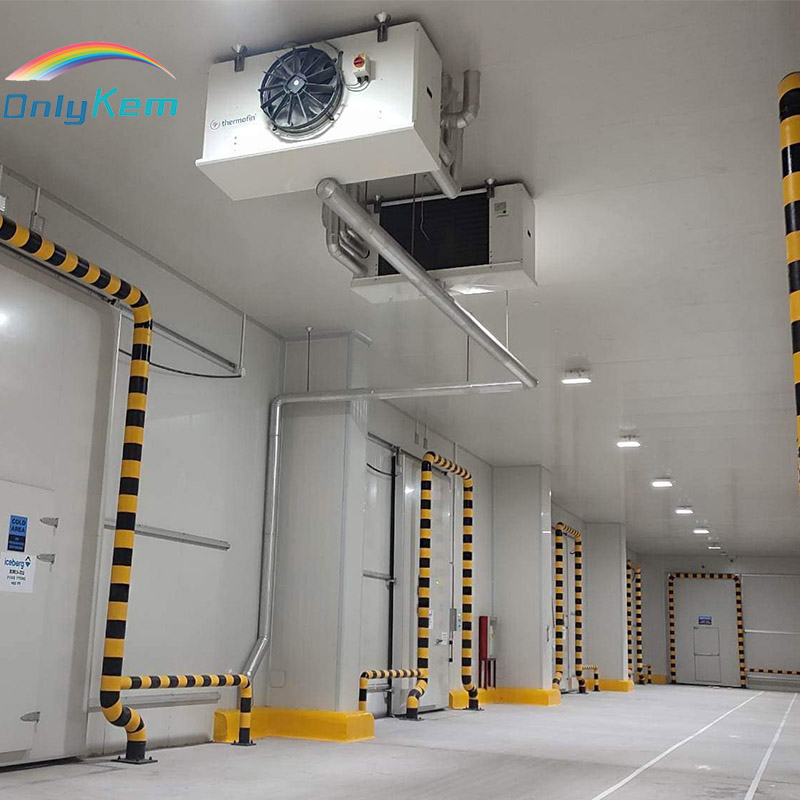

In places like restaurants, hospitals, and delivery services, storing ice the right way really matters. It helps save money and keeps service quality high. The key tool is a commercial cold room. How well you control the temperature, humidity, and how people handle the ice will decide how long the ice lasts and how good it stays. Here’s a simple guide to help you store ice better.
1. Freezing Ice: Keep It Cold, But Not Too Cold
- Water starts to freeze at 0℃, but for fast and strong ice, the machine needs to work in a space below -5℃.
- If it’s warmer than that, the ice forms slowly and may crack or stick together.
- Some advanced machines go down to -10℃, which makes ice faster and stronger.
✅ Tip: Keep the ice machine room closed. Don’t open it too often—cold air escapes and slows things down.
2. Short-Term Storage (Like for Restaurants): -18℃ Is Good Enough
- For cafes, bars, or food shops, ice is used quickly, so you don’t need extreme cold.
- A regular freezer at -18℃ works well to keep ice solid and hard.
- But if the door opens a lot, the temperature jumps up and down, and the ice surface may melt a little and then refreeze—this makes ice blocks stick together.
✅ Tip: Open the door fast, take what you need, and close it—try to keep it under 30 seconds.

3. Long-Term Storage (Like for Hospitals or Factories): Go Much Colder
- If you need to keep ice for a long time or use it for sensitive jobs (like medical cooling), you need a much colder room.
- Use a deep freezer below -25℃.
- Some special freezers go to -30℃ or even -50℃. This keeps the center of the ice block very cold and stops it from shrinking over time (called “dry loss” or sublimation).
- The temperature should stay very steady—fluctuations should be less than ±1℃.
✅ Tip: These cold rooms use more power, so only use them when really needed.

4. Humidity: Not Too Wet, Not Too Dry
- Keep the air in the cold room 85% to 95% humid.
- Too wet? Ice gets frost on the outside and sticks together.
- Too dry? Ice slowly turns into vapor and gets smaller—this wastes ice and reduces cooling power.
✅ Tip: Use a cold room with humidity control to keep the air just right.
5. Airflow: Let the Cold Air Move
- Cold rooms should have fans (like axial fans) to spread cold air evenly.
- This stops some ice from melting while others stay frozen.
- Good airflow also helps keep the space clean and reduces bacteria growth.
✅ Tip: Don’t pack the room too full—leave space for air to flow around the ice.
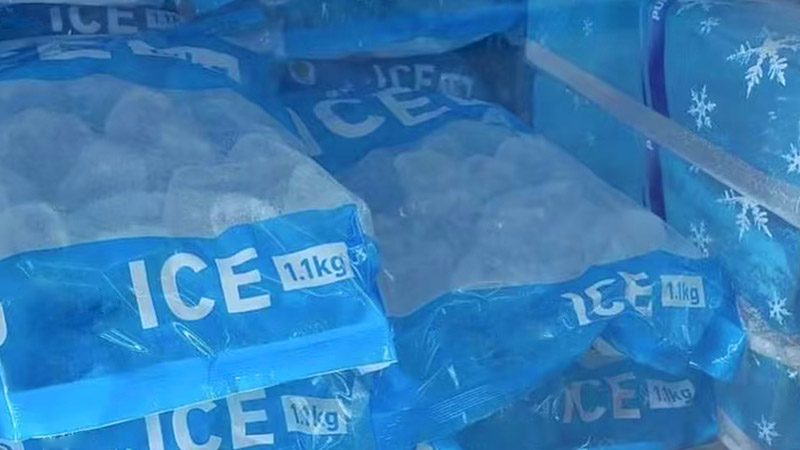
6. Store Ice Separately: Don’t Let It Stack and Stick
- Never just dump ice in a big pile—it will freeze into one solid block.
- Use clean plastic bins, insulated bags, or place ice on pallets.
- Keep different types of ice (like cubes vs. crushed ice) in separate containers to avoid mixing and contamination.
✅ Tip: Use small, labeled containers. It’s easier to grab what you need and keeps things clean.
Summary: 3 Key Rules for Better Ice Storage
Right Temperature + Good Humidity + Smart Handling = Less Waste, Better Ice
- Pick the right temp: -18℃ for daily use, -25℃ or lower for long-term.
- Keep humidity between 85%–95% to stop frost and dry loss.
- Use fans for even cooling.
- Store ice in separate containers—don’t let it touch.
- Train staff to work fast, use clean tools, and keep the door closed.
For high-demand uses (like medical or lab work), consider ultra-low freezers + digital temperature monitors to track conditions in real time.