Tomatoes, as one of the most consumed fruits and vegetables in the world, have a consistently high post harvest loss rate. According to statistics, the postpartum loss rate of tomatoes in China can reach 20% -30%, and scientific cold storage technology can reduce this figure to below 5%. This article combines professional storage standards and practical experience to systematically analyze the key technologies for tomato cold storage preservation, from harvesting pretreatment, cold storage environment control to storage period management.
1、 Key preparation before storage: controlling quality from the source
(1) Precise harvesting: selecting the right timing and method
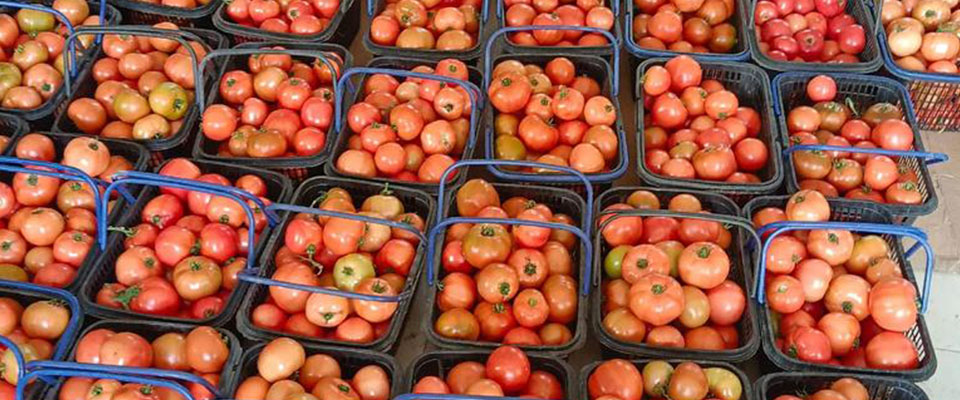
The storage tolerance of tomatoes is directly related to their harvest maturity. Fruits from the green maturity period (when the top of the fruit begins to turn white) to the color transition period (when the top of the fruit turns pink or light red) have the best storage tolerance. At this time, the fruit has accumulated sufficient nutrients and the skin has strong toughness, which can resist physical damage during storage. The following principles should be followed during harvesting:
Time selection: Prioritize picking in the morning or evening when there is no dew, avoiding the high temperature period at noon when the fruit has strong respiration and is prone to accelerated aging.
Handle with care: Use scissors or a small knife to cut the stem of the fruit, leaving 0.5-1 cm of the stem to reduce wounds. It is strictly forbidden to pull or tug hard, which may cause the stem to fall off.
Grading screening: Immediately remove fruits with mechanical damage, pests and diseases, deformities, or high maturity after harvesting, and conduct preliminary grading according to size and maturity to lay the foundation for subsequent classification and storage.
(2) Pre cooling treatment: rapid cooling to lock freshness
After harvesting, tomatoes carry field heat and have strong respiration. If they are directly stored, it will cause temperature fluctuations and accelerate fruit ripening and decay. Therefore, pre cooling is an essential step:
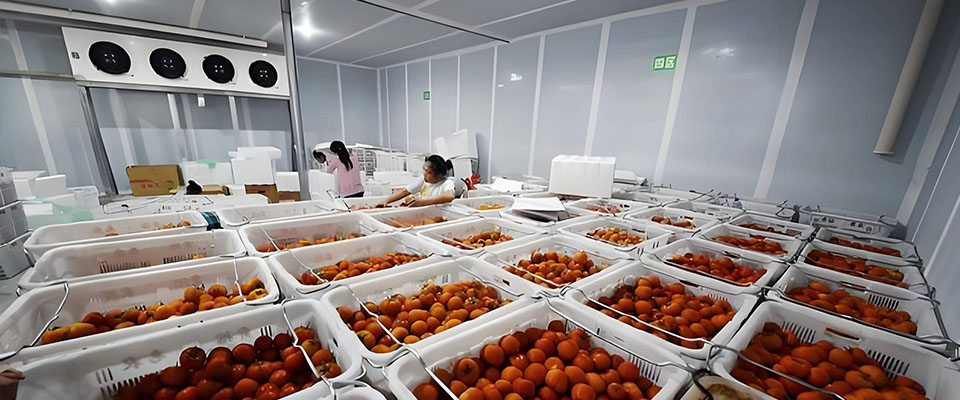
Pre cooling method: It is recommended to use cold storage mechanical cold air pre cooling. The graded packaged tomatoes are stacked along the cold air, with 10-15 cm sleepers placed at the bottom of the box and 4-6 layers stacked. There is a 3-5 cm gap between the boxes, and the spacing between rows is 20 cm to ensure smooth circulation of cold air.
Pre cooling parameters: The pre cooling temperature is controlled at 12 ℃, and the pre cooling time is about 24 hours to reduce the core temperature to around 13 ℃. During the pre cooling process, it is important to note that the pre cooling capacity should not exceed 60% of the cold storage capacity each time to avoid affecting the cooling efficiency.
Packaging requirements: Packaging must be completed before pre cooling. The outer packaging should be made of corrugated cardboard boxes that comply with the GB/T 6543 standard or plastic turnover boxes that comply with the GB/T 8868 standard. There should be 2-4 air holes on both sides of the box with a diameter of 1.5-2 centimeters; The inner packaging can be lined with low-density polyethylene film with a thickness of 0.01-0.015 millimeters, or single fruit packaging can be done with wax paper to reduce water loss and mechanical damage.
2、 Fine control of cold storage environment: collaborative management of temperature, humidity, and gas
(1) Temperature: precise regulation based on maturity
Tomatoes are sensitive to low temperatures, and the suitable storage temperature for fruits of different maturity levels varies significantly. It is necessary to strictly distinguish between:
Green ripe fruit: The suitable storage temperature is 10-13 ℃. Below 10 ℃, it is prone to cold damage, manifested as concave spots on the surface of the fruit, browning of the flesh, and loss of flavor; If the temperature is higher than 13 ℃, it will accelerate the fruit turning red and ripening, and shorten the storage period. At this temperature, green ripe fruits can be stored for 30-50 days, and if combined with controlled atmosphere technology, the storage period can be extended to 60-80 days.
Fruit during color transformation period: The suitable temperature is 9-11 ℃. At this stage, the fruit has started to turn red and respiration has been enhanced. The ripening rate needs to be delayed by temperature control and can be stored for 20-30 days.
Red ripe fruit: The suitable temperature is 0-2 ℃, at which point the fruit has fully matured and needs to be stored for 10-15 days by inhibiting microbial growth and respiration through low temperature. However, it should be noted that the flavor of red ripe fruits may decrease after refrigeration. It is recommended to sell or process them as soon as possible.
(2) Humidity: Balancing moisture and disease risk
Relative humidity is another key factor affecting the storage quality of tomatoes. High humidity can easily cause diseases, while low humidity can lead to fruit dehydration and wilting
Suitable humidity range: The suitable relative humidity for green ripe and color changing fruits is 85% -95%, and for red ripe fruits it is 80% -85%.
Humidity control method: The humidity can be increased by using a cold storage humidification system or placing wet towels, water basins, and other methods inside the warehouse; If the humidity is too high, the ventilation system can be turned on or desiccants can be placed to reduce the humidity. At the same time, avoid direct contact of fruits with the inner walls or floors of the cold storage to prevent condensation and decay.
(3) Gas composition: Modified atmosphere storage prolongs shelf life
Modified atmosphere storage prolongs the storage period by regulating the concentrations of oxygen (O₂) and carbon dioxide (CO₂) in the storage environment, inhibiting fruit respiration and ethylene production
Air conditioning parameters: The suitable O₂ concentration for green ripe fruits is 2% -5%, and the CO₂ concentration is 2% -5%; The concentration of O₂ in the fruit during the color transition period is 3% -6%, and the concentration of CO₂ is 1% -3%.
Air conditioning method: Plastic film tents can be used for air conditioning, with a thickness of 0.1-0.2 millimeters of polyethylene film used to make the tent body. After sealing, nitrogen can be quickly reduced by pumping, or natural oxygen reduction can be achieved through the fruit’s own respiration. During storage, regular monitoring of gas concentration is required. When the concentration of CO₂ is too high, absorbent such as quicklime can be added for adjustment.
3、 Storage period management: regular inspection and scientific maintenance
(1) Regular inspection and reversal
During storage, it is necessary to regularly check the condition of the fruit and promptly address any issues with the fruit
Inspection frequency: During the initial storage period, check every 7-10 days, and later extend to once every 15 days. Focus on observing whether the fruit has rot, cold damage, dehydration, and other conditions.
Reverse operation: Handle with care when reversing, pick out fruits with high maturity or beginning to rot to avoid the spread of diseases. At the same time, wipe off any water droplets on the plastic tent walls or packaging to prevent condensation. The flipping time should be minimized as much as possible to avoid exposing the fruit to room temperature for a long time.
(2) Daily maintenance of cold storage
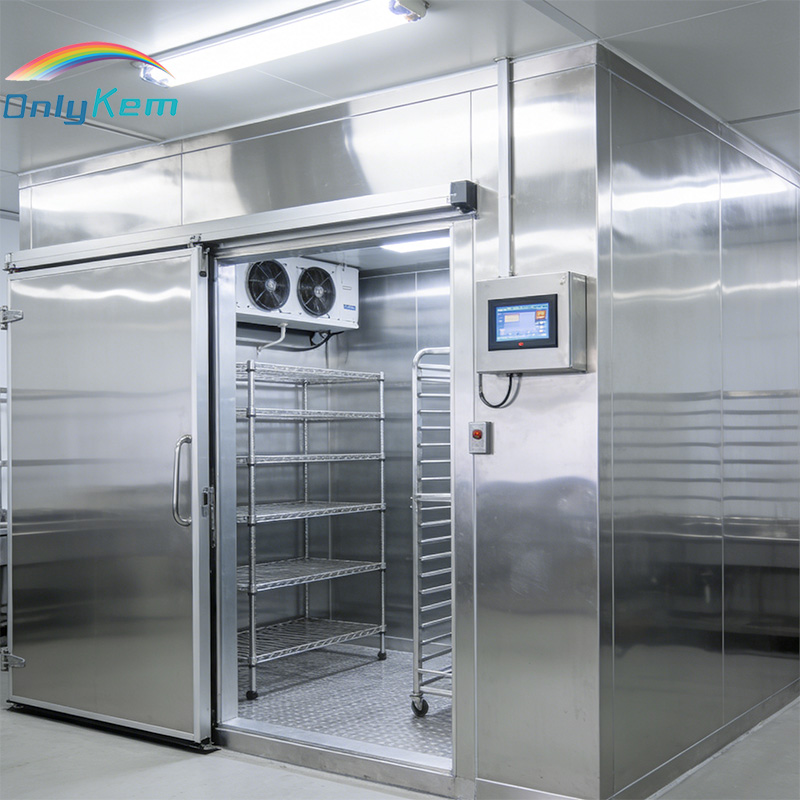
Temperature monitoring: Install high-precision temperature sensors to monitor the temperature inside the warehouse in real time, ensuring that temperature fluctuations are controlled within ± 0.5℃. If there is an abnormal temperature, it is necessary to check the operation of the refrigeration equipment in a timely manner.
Ventilation: Regularly turn on the ventilation system, replace the air in the warehouse, and eliminate harmful gases such as ethylene. Ventilation time should be selected during periods of low temperature in the warehouse to avoid excessive temperature fluctuations.
Cleaning and disinfection: After storage, thoroughly clean and disinfect the cold storage by spraying 1% -2% formaldehyde solution or sulfur fumigation (10g/m³), sealing for 24~48 hours, and then ventilating to prepare for the next storage.
4、 Storage strategies for different scenarios
(1) Small scale storage by farmers
For small-scale farmers, they can choose small cold storage or improved ventilated storage:
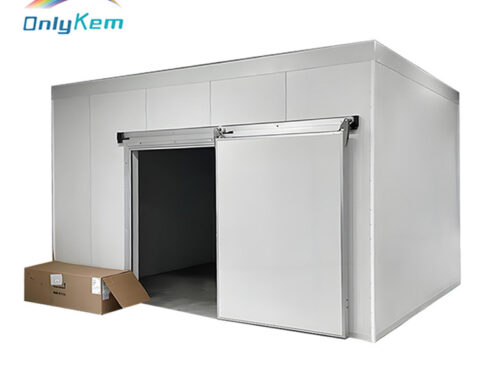
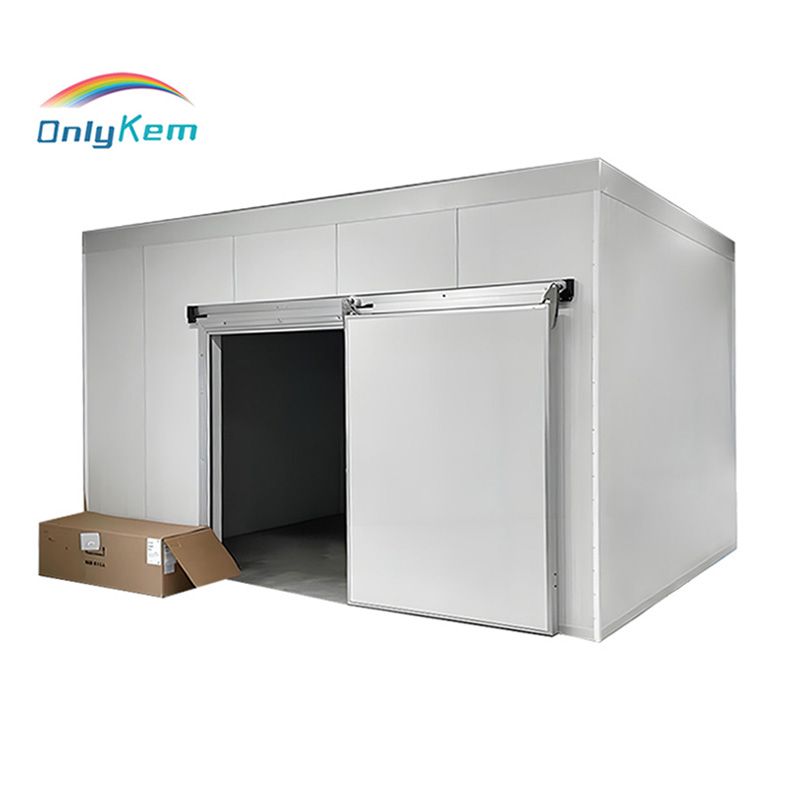
Small Cold Storage: Choose a smart temperature controlled small cold storage with an area of 10-20 square meters to meet the needs, with low investment costs and easy operation.
Ventilation storage room: Renovation will be carried out in cool places such as basements and earthen cellars, with ventilation equipment installed and temperature controlled at 10-13 ℃ and relative humidity above 85%. It can store green ripe fruits for 20-30 days.
(2) Distributors and enterprises engage in large-scale storage
For distributors and enterprises that require long-term storage or bulk turnover, it is recommended to use large mechanical cold storage combined with controlled atmosphere technology:
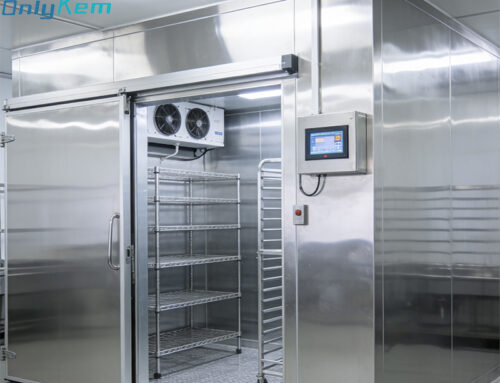
Mechanical cold storage: Select a suitable scale of cold storage based on storage capacity, equipped with professional refrigeration equipment and temperature monitoring system to ensure stable environment.
Modified atmosphere storage: By using controlled atmosphere storage or plastic film curtains, the storage period can be significantly extended and fruit quality can be improved. At the same time, according to market demand, the ripening speed of fruits can be controlled by adjusting temperature and gas composition to achieve staggered sales.
5、 Common Problems and Solutions
(1) Cold damage problem
Symptoms: Depressed spots appear on the surface of the fruit, the flesh turns brown, the flavor is lost, and in severe cases, it rot. Reason: The storage temperature is lower than the fruit’s tolerance to low temperatures, such as green ripe fruits being kept in an environment below 10℃ for a long time. Solution: Strictly control the storage temperature to avoid excessively low temperatures; If cold damage has occurred, the fruit can be transferred to an environment of 18-20℃ for 1-2 days to alleviate the symptoms of cold damage, but the quality is difficult to fully recover.
(2) Decay problem
Symptom: Mold spots appear on the surface of the fruit, gradually expanding and rotting. Reason: High humidity, poor ventilation, fruit with wounds or pathogens. Solution: Control the relative humidity within an appropriate range and strengthen ventilation and air exchange; Avoid mechanical damage during harvesting and strictly screen before storage; Regularly inspect and promptly pick out rotten fruits to prevent the spread of diseases.
(3) Water loss and wilting problem
Symptoms: The surface of the fruit shrinks, the weight decreases, and the taste deteriorates. Reason: Low relative humidity or strong packaging breathability. Solution: Increase the relative humidity inside the warehouse by using humidification equipment or placing wet materials; Choose packaging materials with moderate breathability, such as plastic film or wax paper with micropores.
Conclusion
Tomato cold storage is a systematic project, from harvesting pretreatment to cold storage environment control, to storage period management, each link needs to be precisely controlled. Through scientific storage techniques, not only can the shelf life of tomatoes be significantly extended and postpartum losses reduced, but the nutrition and flavor of the fruit can also be maximally preserved, bringing greater economic benefits to producers and operators. I hope the technical solution presented in this article can provide you with practical reference and help promote the high-quality development of the tomato industry.