1. Clarify Purpose: What Will the Cold Storage Store?
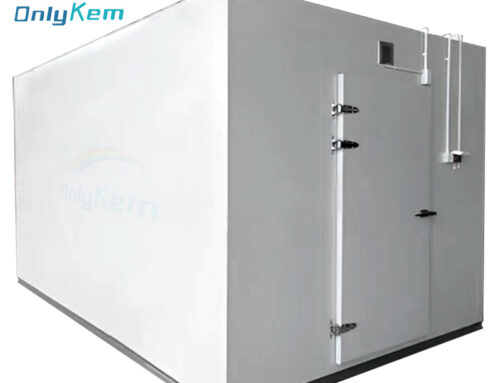
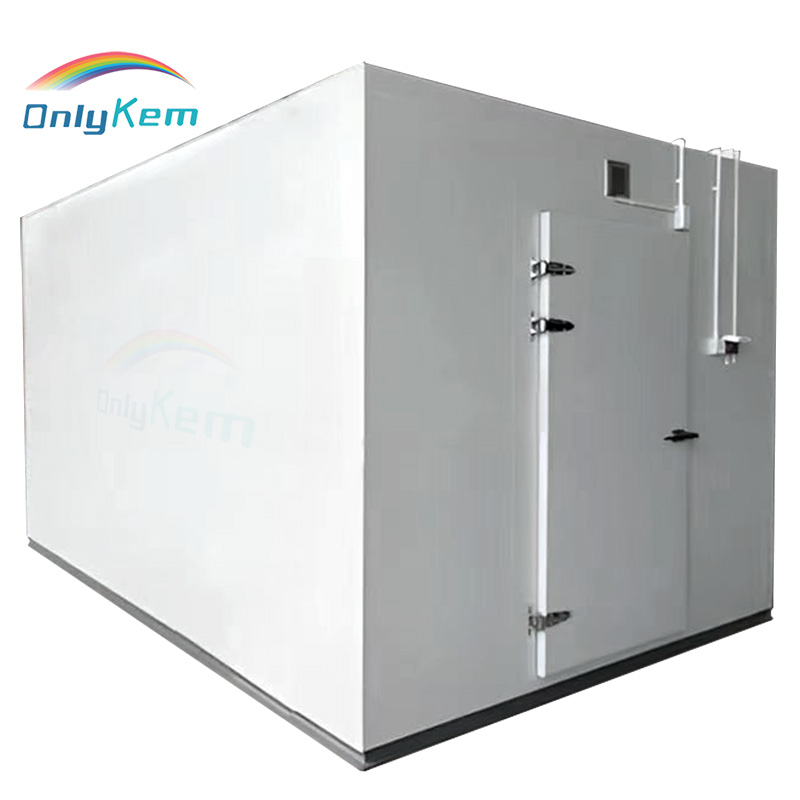
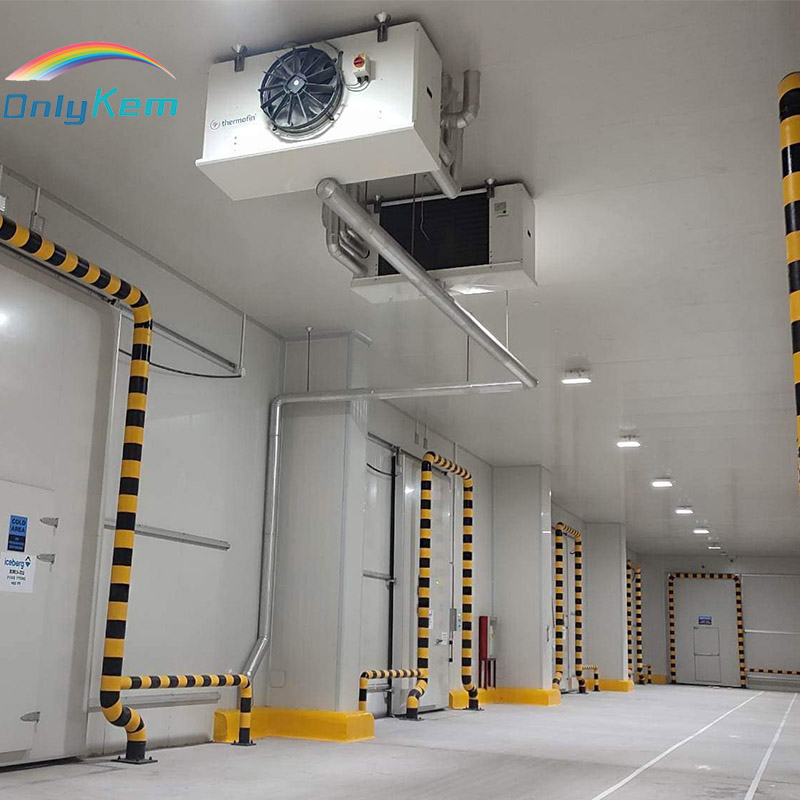
- 1.1 Industrial Cold Storage: Ideal for bulk storage of raw materials or finished products.such as meat and seafood in food factories, or vaccines and pharmaceuticals in drug manufacturers.
- 1.2 Commercial Cold Storage: Commonly used in supermarkets and restaurants for short-term turnover goods like fruits, vegetables, and dairy products.
- 1.3 Key Point: First determine the product type, as different items have varying requirements for temperature and humidity.
2. Choose the Right Temperature: Products dictate “Coldness”
- 2.1 Fruit & Vegetable Preservation: 0~15°C (maintain freshness, delay spoilage).
- 2.2 Meat Freezing: -18°C or lower (long-term preservation, prevent, deterioration).
- 2.3 Special Needs: Ice cream requires -25°C; some pharmaceuticals may need -60°C ultra-low temperature storage.
- 2.4 Recommendation: Incorrect temperature selection can spoil products, so ensure it matches storage needs.
3. Size & Insulation: Tailor Fit to Save Money
- 3.1 Cold Storage Size: Estimate based on cargo volume. For example, storing 1000 boxes of fruit may require 50㎡, while large equipment needs more space.
- 3.2 Cold Storage Panel Thickness: The lower the temperature, the thicker the insulation layer.
Use 10cm thick polyurethane panels for 0°C storage, 15cm for -18°C, and 20cm for ultra-low temperature storage.
4. Refrigeration Equipment: Choose Suitable, Not Expensive
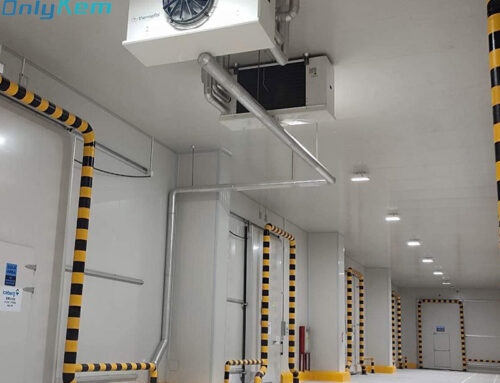
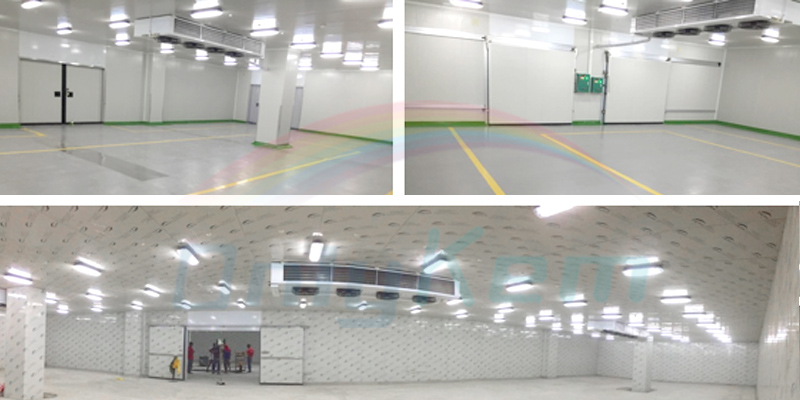
- 4.1 Refrigeration Unit : Small cold storage (<50㎡) use air-cooled units (cheap, easy to install); Large cold storage (>100㎡) use parallel screw compressors (efficient, energy-saving).
- 4.2 Air Cooler: Select materials based on temperature. Use copper tubes + aluminum fins for fruit & vegetable storage (rust-resistant); stainless steel for freezer storage ( low-temperature resistant). Avoid iron materials, as they will rust and fail.
- 4.3 Defrosting Methods: Water defrosting suits fruit & vegetable chiller storage (low cost); electric heating suits freezer storage (high automation).
- 4.4 Tip: Incorrect equipment selection can skyrocket energy consumption—consult an onlykem engineer for matching!
5. Controller: Smart but Simple
- 5.1 Basic Type: Manual switch + thermometer (suitable for small cold storage, lowest cost).
- 5.2 Advanced Type: Automatic temperature control (suitable for high-traffic cold storage, reduces, manual inspections).
- 5.3 Note: Avoid complex systems unless absolutely necessary.
6. Cold Room Door: Ensure Easy Access for Large Items
- 6.1 Small Goods: Manual sliding door / Hinge door (cheap).
- 6.2 Large Goods/Forklift Operations: Electric sliding lift door (good sealing, prevents, cold air leakage).
- 6.3 Anti-collision Design: Add sealing strips to reduce heat loss when opening.
- 6.4 Reminder: Wrong door choice can cause cold air leaks and double electricity bills!
Summary: Three-step Cost-saving Method
Define Purpose & Temperature First: Avoid “over-cooling”.
Accurately Calculate Size & Equipment: Don’t waste space or energy.
Choose Reliable Suppliers: Fast after-sales response reduces downtime.
💡 Cold Storage isn’t “the more expensive, the better” – it’s “the more suitable, the more economical”! Need a specific plan? Leave your requirements – I’ll help you calculate! #Cold Storage Construction #Refrigeration Engineering #Cost Saving Guide